



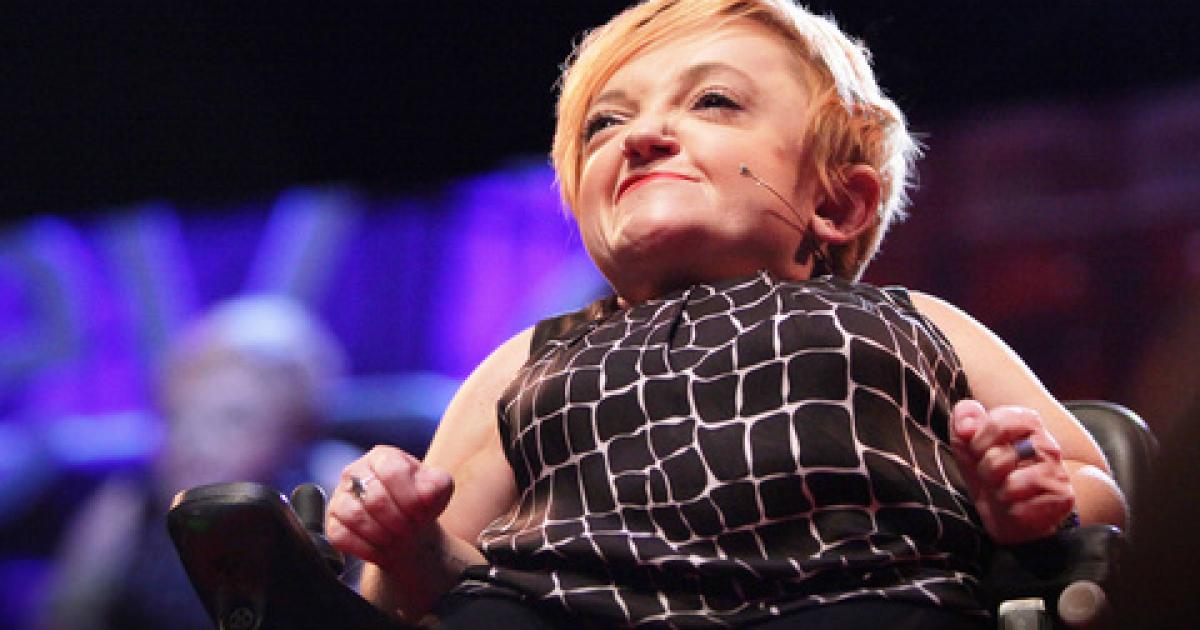
Inspiration objectification, known informally as ‘inspiration porn,’ portrays people with disabilities as inspirational on the basis of their disability.
Objectification happens when a person is treated like an object, without regard to their personality or dignity. It may be well-intentioned, but depicting people with disabilities as ‘objects of inspiration’ is exploitative and harmful.
Australian disability advocate and comedian Stella Young coined the term at TEDxSydney in 2014.
These images and videos of people with disabilities are used to motivate people without disabilities. This creates a narrative where a person living with a disability is a tragic figure or heroic simply for existing.
So, it’s worth asking yourself - am I guilty of inspiration objectification? Here are some questions to ask yourself.
1. Do I view people living with a disability as a source of motivation?
A person living with a disability should not be a reminder of how lucky you are. You should not use a person’s disability as an uplifting moral story to keep your problems in perspective or make you feel good. A person with a disability is much more than a mascot for your motivation.
2. Do I congratulate people living with a disability for simply existing?
People living with disabilities often have strangers or acquaintances tell them how brave or strong they are - simply for carrying out ordinary tasks or going about their daily business. When you stop to reflect, it’s a bit patronising, isn’t it?
3. Do I view a person’s disability as something cute?
Many people with disabilities struggle with being infantilised - this means they are treated like children. This attitude denies their maturity and life experience. If your first instinct when seeing a person with down syndrome buy something from the shops is ‘that’s so cute’ you may need to reassess the way you view disability.
4. Would this person still inspire me if they weren’t disabled?
For example, a wheelchair user playing basketball should not be inspirational. They are playing basketball, just like any other person on their team. If this person showed impressive skill that helped the team win the competition, it makes sense that they inspire you. However, you are motivated by their personal achievements, not because you view existence with a disability as a tragedy to be overcome.
If you’ve fallen victim to this way of thinking, it’s not your fault. Our media reinforces messages that reduce people with disabilities to a passive source of inspiration for those without disabilities, rather than real people.
Once you are aware of this, you can start to challenge the way you view disability and challenge the way society shares stories about people living with disability.