

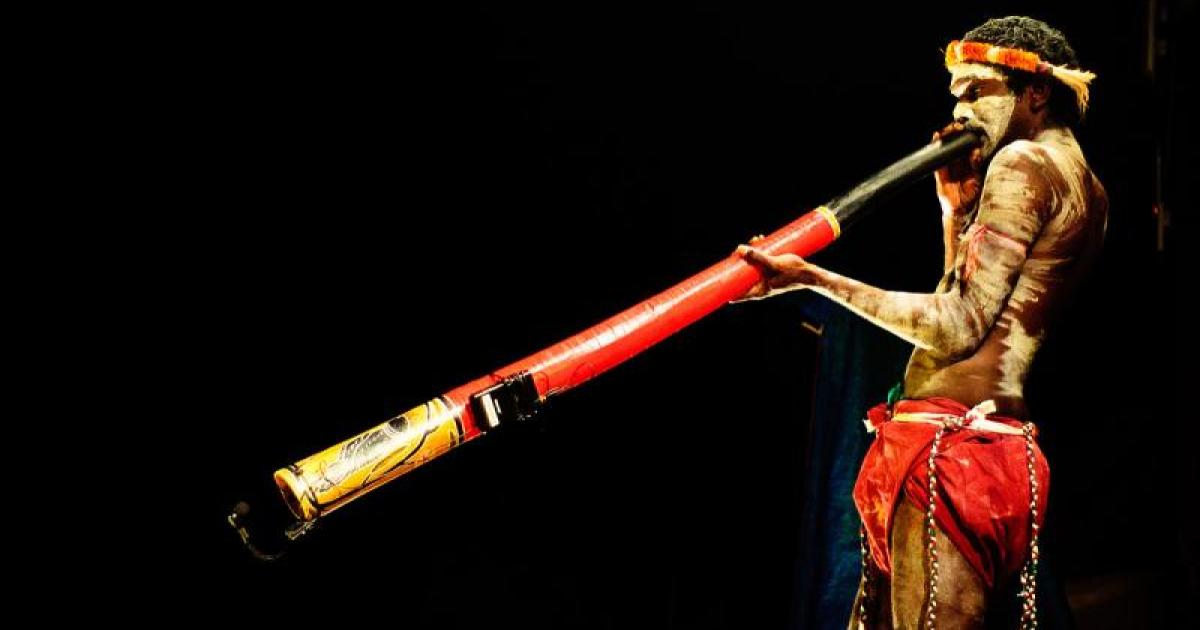
National Reconciliation Week (May 27, 2021 – June 3, 2021) is a time for all Australians to learn about the history, culture and achievements of Indigenous Australians. It is also an opportunity for us to come together with a shared commitment for reconciliation.
In Aboriginal languages, there is no word for disability. Whilst some Aboriginal languages have words for certain types of impairments, the fact that there is no word for disability reflects the inclusive nature of Aboriginal communities. People with impairments are not excluded from the rest of the community for their differences.
Nearly two decades ago, a study conducted in Western Australia found that the Anangu people did not see impairments in a negative light. Instead, they celebrate the uniqueness of the person and accept the diversity and difference present within humanity.
Our First Nations people show us that inclusivity is a part of an ancient tradition. By comparison, Western societies have been slow to adopt inclusive models of disability that view impairments as a part of human diversity. We can learn a lot by looking to the wisdom of our Indigenous peoples and listening to their perspective.
Cultural, language and social barriers make inclusivity difficult for people with disabilities, and this is even more pronounced for our Indigenous Australians.
The Australian Bureau of Statistics’ Survey of Disability, Ageing and Carers (SDAC) found that almost 1 in 4 Aboriginal and Torres Strait Islander people reported living with disability in Australia in 2015. Almost 1 in 3 of these people had profound or severe disability.
Workforce participation was also lower for Aboriginal and Torres Strait Islander people with disability, and experiences of discrimination due to disability were almost twice as likely than for non-Indigenous Australians.
Reconciliation Australia’s theme for 2021 is More than a word. Reconciliation takes action. This theme reminds us that meaningful change can only occur when all Australians come together to reduce barriers for reconciliation.
The Speak My Language program is focused on an intersectional approach to promoting the rights of people with disabilities who come from diverse backgrounds, including our Indigenous Australians.
All of us have a role to play in the reconciliation movement. We take inspiration from our First Nation’s leaders and advocates who are ensuring greater inclusion for those with a disability in Australian society and we look forward to sharing their stories.
Reference
Ariotti, L. (1999). Social Construction of Anangu Disability. Australian Journal of Rural Health, 7(4), 216-222.