




We spend most of our time inside our mind, so in order to live well, we must look after our mental health. This means we actively try to enjoy life as much as possible, learn skills to cope with stress and manage mental health challenges that may arise throughout life. Understanding our mental and emotional wellbeing opens up the door to living a better and more fulfilling life, preparing us for the peaks and valleys we will all face on our journey.
For people with disability, support for their mental health is even more critical. Mental health conditions can be both a cause and an effect of disability. According to the Australian Institute of Health and Welfare, adults with disability are more likely (32%) to experience high levels of psychological distress when compared with adults living without disability (8.0%). Often, the distress is not due to the disability, but factors unrelated to the condition, such as social and cultural stigma, poor self-esteem, difficulty in expressing emotions, isolation and limited social networks or economic disadvantage that can accompany living with a disability. It is possible to address these factors and improve our mental health, allowing us to live well with a healthier mind.
Here are three simple starting points that may begin to make a difference in improving your mental health and emotional wellbeing:
Connecting With Others
A major cause of poor mental health amongst people with disability is because they feel isolated from others. The biggest challenge to people making friendships is often finding opportunities to meet others. However, many organisations run local support groups that may allow you to connect with others who have a similar condition as you, so you can gain informal advice and develop friendships with people who understand your lived experience. Likewise, the internet and social media has become a great way to form connections with communities online who share your experiences, no matter where you are in the world or what language you speak.
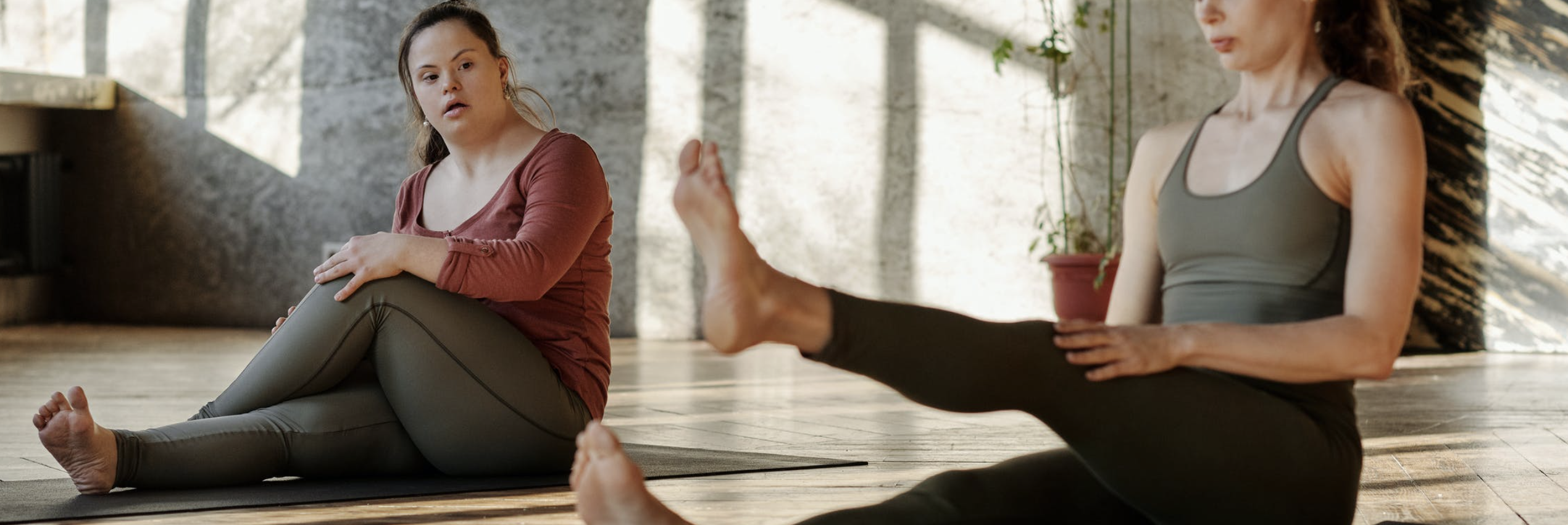
You can broaden your social connections through many other ways, that link to other parts of your life unrelated to your disability. If you have a hobby or passion, joining a class or group open to anyone can be a great way to meet people with shared passions.This could mean joining a fitness class that it accessible, meeting people at a music, art or cultural club or becoming friends with people through community organisations. Often, volunteering is a great way to make new friends and deepen connections with others, while also making a difference in your community.
Forming meaningful relationships and friendships is one of the keys to improving our emotional and mental health. We can share our joys, our sorrows, our passions and our experiences with others. It may be scary to put yourself out there, but opening yourself up to the benefits of connecting with people can be one of the most enriching experiences in life!
Building Self-Esteem
Self-esteem describes how we view ourselves and our sense of self-worth. As a result of social and cultural stigma, many people with disability struggle with their self-esteem. While it is normal to sometimes have low self-esteem, persistently viewing ourselves in a negative way can cause mental distress and stop us from enjoying life. To live well and enjoy who we are, we must work on developing positive self-esteem by accepting and embracing ourselves. Learning different strategies through counselling can help improve your self-esteem, but there are many ways to make a start on your own. For instance, you can begin by identifying and challenging your negative beliefs about yourself, as well as identifying the things you like about yourself. You can practise replacing self-criticism with self-compassion, treating and speaking about yourself with the same kindness you express towards your loved ones. Building our self-esteem is like any other good habit - it takes work! However, if you take the time to focus on building up positive thinking every day and try to minimise or challenge the sources of negativity, you can begin to improve your sense of self-worth and inner happiness.
Seeking Support
Some of the barriers that people with disability experience throughout life can be a challenge to improving mental health. However, you get to define what your optimal state of personal, social and emotional wellbeing, and take action to seek help in getting to that state. It takes strength to seek help and support - we ask for help not because we are weak, but because we want to remain resilient and strong. Seeking help may mean seeing a professional like a counsellor, psychologist or psychiatrist. It is possible to find a psychologist who speaks your language.
While some people who have a psychosocial disability could be eligible for the NDIS, any person with a disability can access a mental health professional. You can visit the doctor and explain to your GP why you need help with your mental health, and your GP may assess you for a Mental Health Care Plan. With this plan, you can see a psychologist for 10 sessions with a Medicare Rebate, making appointments more accessible and affordable. A mental health professional can work with you to provide strategies and ways to manage your mental health to improve your quality of life and gain new skills. Some psychologists even provide these services over the phone if this is more convenient and accessible to you.
There should be no shame in asking for help. Asking for help shows that you want to be living and contributing to life. Just as we would visit a physiotherapist for rehabilitation after an injury, visiting a mental health professional helps to improve our mental health to the state that we want it to be at.
